Edinburgh is one of the most beautiful cities in the world — and also one of the most quietly stressful to live in. Here's how Tai Chi is helping residents find the reset button they didn't know they had.
Most of my students don't arrive at Tai Chi because they were looking for it. They arrive because everything else stopped working. The gym was too intense. Meditation apps felt hollow. A glass of wine in the evening became two. And the stress — the relentless, low-grade hum of modern Edinburgh life — kept right on building.
If that sounds familiar, you're not alone. And the good news is that there's a class in Edinburgh that addresses stress differently to anything you've probably tried before — not through distraction, not through exhaustion, but by teaching your nervous system how to genuinely switch off.

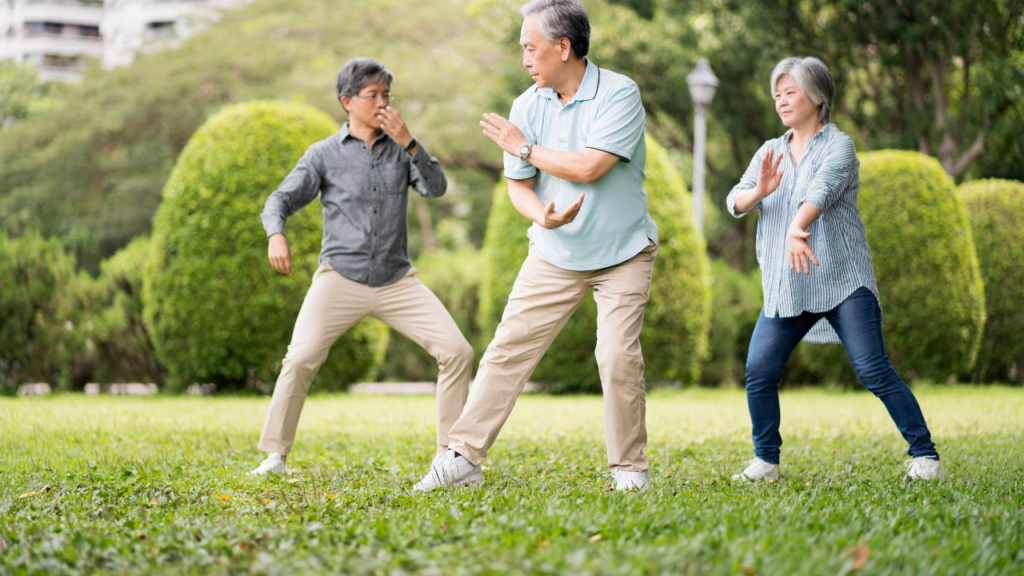
Tai Chi at LFA Tai Chi Edinburgh — gentle, intentional movement that resets the nervous system
Edinburgh is a genuinely demanding city to live in, even when life is going well. The weather is unpredictable. The professional culture is high-pressure. The cost of living rises every year. And for many people — particularly those in their 40s, 50s, and 60s — there's the added weight of caring for children, ageing parents, or managing health conditions while trying to stay on top of work.
What makes Edinburgh stress particularly stubborn is that it rarely arrives as one dramatic event. It accumulates. A difficult commute. A difficult meeting. A difficult night's sleep. Over time, the body stops returning fully to baseline — and that's when it starts to take a physical toll.
The most effective stress relief isn't about distraction — it's about genuine physical and mental reset
Most stress relief advice falls into two categories: distraction or exhaustion. You're either told to watch a film, have a bath, or go for a drink — things that pause stress without resolving it. Or you're told to run, go to the gym, or do HIIT — things that work for stress but are too demanding to do consistently when you're already depleted.
Tai Chi sits in a completely different category. It isn't passive — you're moving, breathing, focusing. But it also isn't demanding. The slow, flowing movements ask something of your body and mind without taxing either. And that combination — active but restful — is precisely what an overstressed nervous system responds to best.
When you're stressed, your sympathetic nervous system — the "fight or flight" response — activates. Cortisol rises. Heart rate increases. Muscles tense. The body is preparing to deal with a threat that, in modern life, never quite resolves itself.
Tai Chi activates the parasympathetic nervous system — your body's "rest and digest" mode. The slow, synchronised breathing signals to the brainstem that the threat has passed. Cortisol drops. Heart rate variability improves. Muscle tension releases. Studies have shown that even a single session produces measurable reductions in stress markers — and regular practice compounds these effects significantly over time.
The hour I spent in Tai Chi class became my sanctuary. It was the only time during the week when my mind could truly rest — and it taught me how to find that calm at other times too.
— Linda · Corstorphine, EdinburghEdinburgh genuinely has a wide range of stress relief classes — from mindfulness courses to yoga, pilates, meditation groups, and Tai Chi. All of them have value. Here's an honest look at what each offers and who each suits best:
The right class is always the one you'll actually attend consistently. But if you've tried other approaches and found that sitting still just makes your mind louder — Tai Chi is almost certainly worth trying.
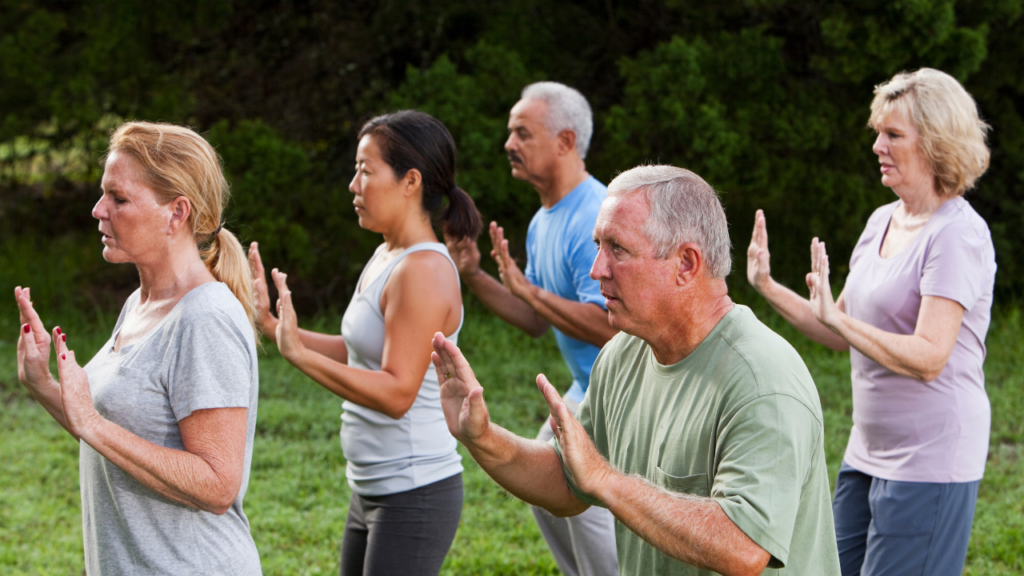
Consistency matters more than duration — even 10 minutes of daily practice delivers measurable benefits
One of the main reasons people abandon stress relief practices is that they require too much from someone who is already depleted. Early morning meditation retreats, demanding yoga classes, long gym sessions — these are hard to sustain when life is genuinely overwhelming.
Tai Chi at LFA Tai Chi Edinburgh is structured so that it fits around your life rather than demanding you restructure your life around it. Classes run Monday through Friday, with morning, lunchtime, and evening options available. The live Zoom format means you don't even need to leave your house — just clear 1.5 metres of floor space and you're ready.
I do the Tuesday morning Zoom class before I start work. The difference it makes to how I handle the rest of the day is remarkable. Less reactive. More focused. My colleagues have noticed.
— Claire, 44 · Tuesday Zoom class, Edinburgh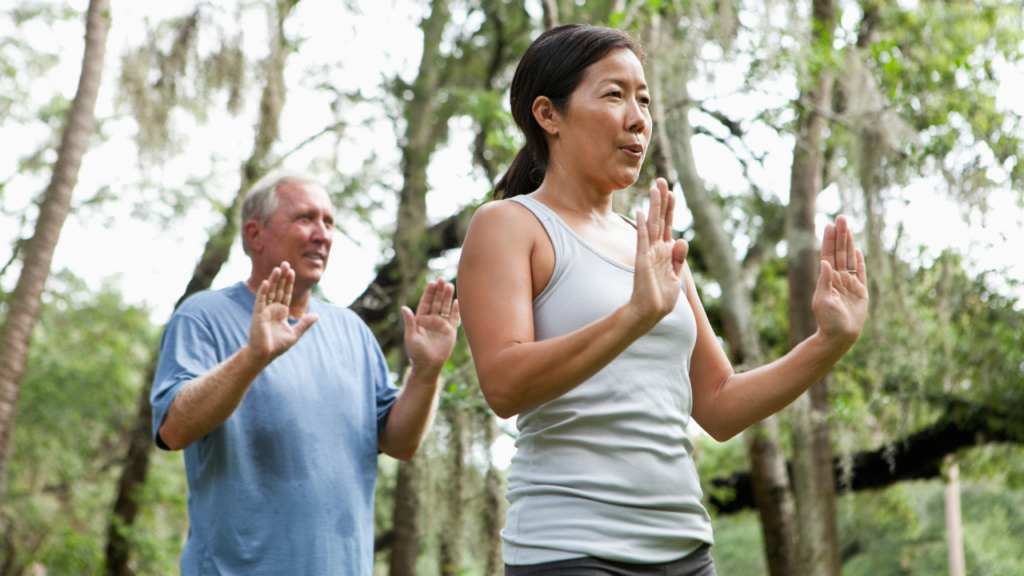
The right class is the one that actually fits your life — location, format, and instructor all matter
Edinburgh has no shortage of options. Here's what to prioritise when choosing:
If stress is quietly wearing you down — if the wine, the scrolling, the Netflix aren't actually cutting through it anymore — it might be time to try something that works at a deeper level.
Call or text John on 07450-979-625. Tell him what's going on. He'll find the right class for you, and the first session is completely free. No commitment, no pressure — just an hour that might genuinely change how you feel.
Your first class at LFA Tai Chi Edinburgh is completely free. Call or text John today — in-person at an Edinburgh venue or live on Zoom from home. No experience needed, no commitment required.
First class free · All levels welcome · In-person & Zoom available